Nelson Mandela Bay Is a Destination
Why the Bay deserves more than an overnight stop
By Jaco Ras · 26 October 2026 · 7 min read
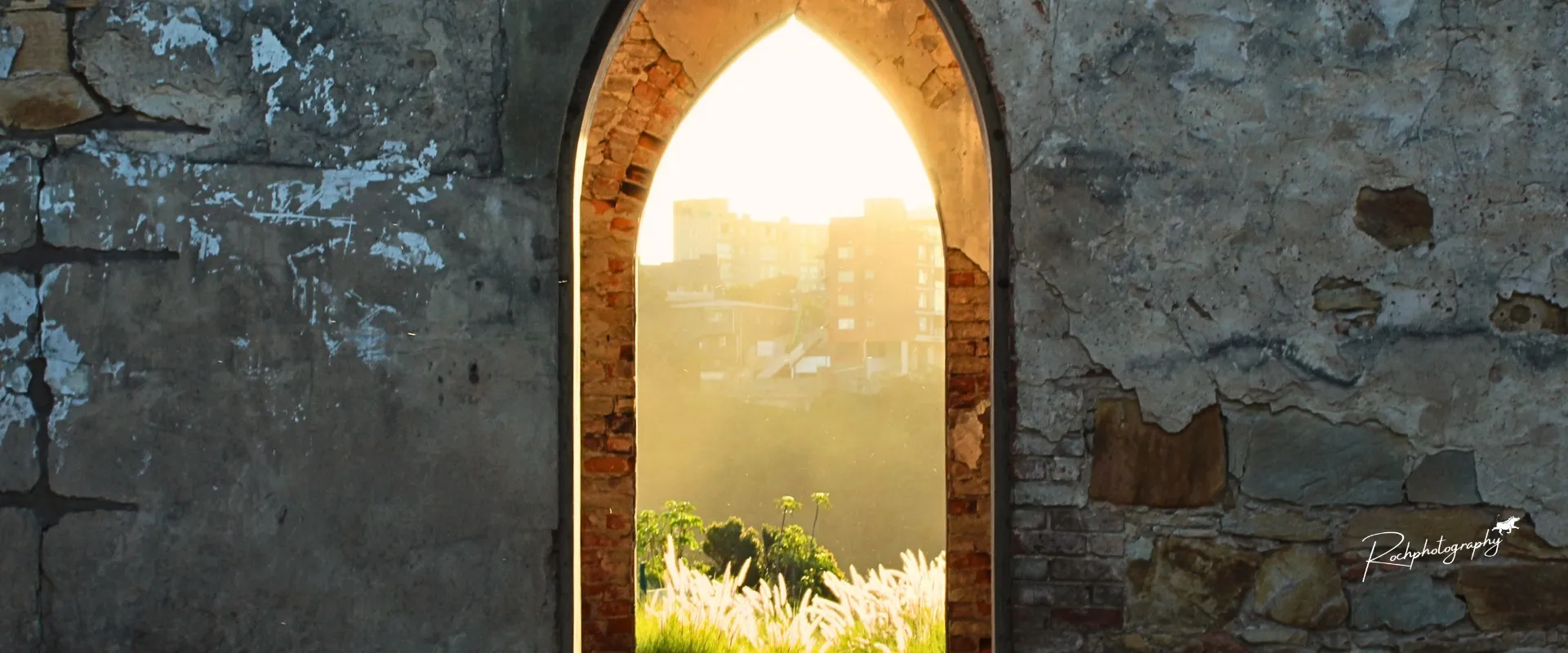
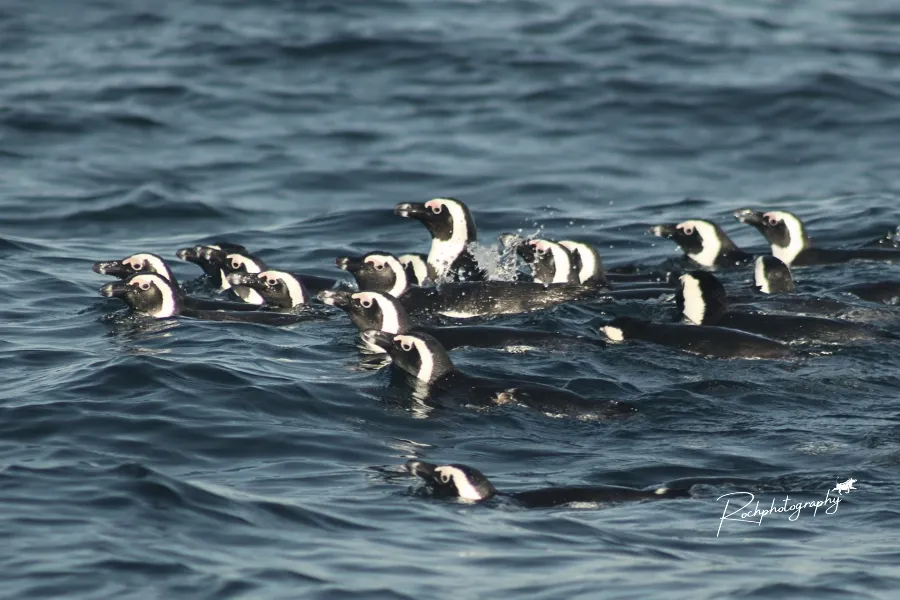
The surface of Algoa Bay can look deceptively quiet. A raft of penguins bobs on the water, rising and falling with the swell. Farther out, a circular disturbance catches the eye. To an untrained observer, it might mean nothing. To someone who knows the bay, it could be a clue that a whale is about to surface.
It is the kind of moment that shows how much there is to discover once you look beyond the obvious.
Yet Nelson Mandela Bay is too often treated as a place to pass through.
Travellers land at the airport, collect a vehicle, spend a night and continue to Addo Elephant National Park, the Garden Route or somewhere else on the itinerary. The area becomes a convenient gateway, but rarely the destination itself.
Tourism is estimated to contribute about 3.6% of the metro’s economic output, against just over 5% nationally (source: Algoa FM). Conferences, like airports, are only a way in. What makes people stay is the place itself.
No single attraction defines it. Its character lies in how the coastline, wildlife, communities and layers of history connect, and that deserves more than an overnight stop.
More Than One Name
There is another reason the region can be misunderstood: even its name requires a little explanation.
Gqeberha is the city formerly known as Port Elizabeth. Nelson Mandela Bay refers to the wider metropolitan area, which includes Kariega (formerly Uitenhage), Despatch, Colchester and the communities between them.
For visitors, these distinctions can be confusing. Nelson Mandela Bay can sound like a booking area or transport reference rather than a destination with its own personality.
The region is not simply a city beside an airport, nor is its identity limited to the beachfront. It is a connected metropolitan landscape of coastal communities, urban neighbourhoods, historic centres, conservation areas and countryside.
When visitors treat the region mainly as a transfer point or the nearest city to Addo, much of that diversity goes undiscovered.
The Coast: More Than a View
Algoa Bay is central to the region’s natural identity. Its beaches, protected islands and marine ecosystem support penguins and other seabirds, dolphins, seals and whales.
But the experience is about more than spotting an animal and taking a photograph.
Seeing penguins on the open water is one thing. Understanding the pressures on their populations, and how shifts in food availability change where they forage, deepens the encounter. The same applies to whale watching. There is a difference between hoping to see a whale and knowing the water well enough to recognise the signs that one is nearby.
The coast offers plenty beyond marine wildlife, too. At Maitlands Beach, the landscape opens into a broad sweep of sand, dunes and ocean. The Maitland River Mouth area offers birdwatching, fishing and sandboarding. It is somewhere to walk the shore, take in the scale of the landscape and enjoy a day that does not need to be planned down to the last minute.
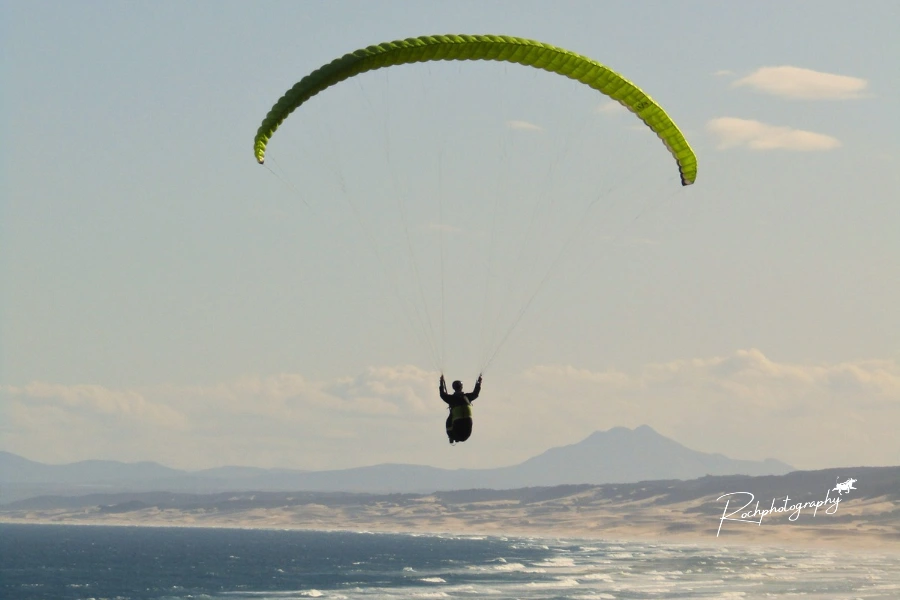
On the right day, paragliders may launch from the dunes and drift above the beach on the coastal wind. It is not a guaranteed attraction, but that is part of the appeal.
The coastline is not simply the edge of the city. It is a place of recreation, conservation and discovery, and it rewards those who give it time rather than treating it as a view from the road.
Nature in Many Forms
The natural identity of the region continues inland, through coastal vegetation, grassland, fynbos, thicket, protected areas and wildlife reserves.
Addo Elephant National Park is one of the reasons many travellers arrive in the Eastern Cape, but it should not be the only reason they stay. Nelson Mandela Bay itself offers other ways to experience wildlife and conservation, each with its own character.
Kragga Kamma Game Park
Kragga Kamma Game Park provides a compact wildlife experience close to Gqeberha. Visitors can self-drive or join a guided game drive, and the species include white rhino, buffalo, cheetah, giraffe, nyala and bontebok.
The experience is different from Addo, and it deserves to be seen on its own terms.
Addo offers the scale and atmosphere of a major national park. Kragga Kamma lets visitors fit game viewing into a shorter, city-based itinerary, whether they are travelling with children, are short on time or want to combine wildlife with other experiences in the region.
See the Kragga Kamma half-day safari →
Nyosi Wildlife Reserve
Nyosi Wildlife Reserve adds another perspective. Guided game drives, nature picnics and wine tasting provide different ways to experience the landscape, while the reserve’s focus on ecological restoration, rewilding and conservation education speaks to the relationship between people and nature.
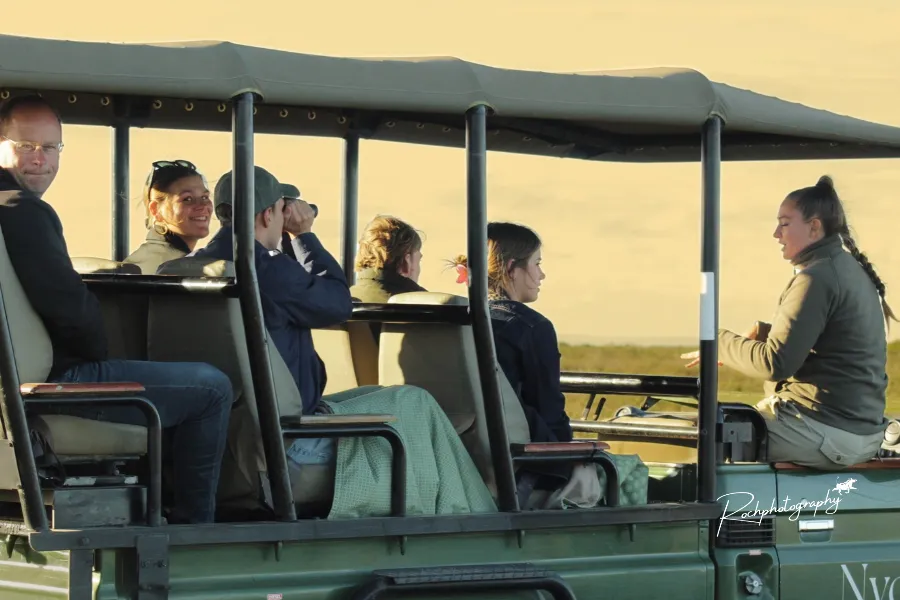
See our Nyosi Wildlife Reserve day tour →
Together, these places show that wildlife tourism in the region is not a single experience. It can mean a full safari day, a guided game drive close to the city, a lesson in rewilding or simply time spent in an indigenous landscape.
Not every encounter with nature needs a large animal.
The Island Nature Reserve and other coastal and urban nature spaces let visitors walk among indigenous vegetation, watch birds and notice how the landscape changes from the shoreline towards the inland hills.
Van Stadens Wild Flower Reserve, about 40 kilometres from Gqeberha, protects and propagates indigenous flora across a landscape that can be particularly striking during the flowering season. Its walking trails and picnic areas invite visitors to slow down and appreciate a side of the Eastern Cape’s natural heritage that the Big Five tend to overshadow.
See our Facebook post on Van Stadens Wild Flower Reserve →
A morning spent photographing flowers, listening for birds or following a trail may not sound as dramatic as a safari. Yet these quieter experiences are part of the same story.
They reveal a region whose natural character cannot be reduced to a list of animals or a single famous park.
A Lived-In Landscape
A destination is not defined only by its scenery or wildlife. It is also shaped by its people, history, food, language, art, music and everyday life. Nelson Mandela Bay’s stories deserve just as much attention as its beaches and reserves.
In the city centre, Route 67 brings history and contemporary art together through 67 public artworks by Eastern Cape artists. The route commemorates Nelson Mandela’s 67 years of service to the struggle for freedom and connects places including the Campanile and Donkin Reserve.
At Donkin Reserve, the historic pyramid and lighthouse tell part of the story of early Port Elizabeth. A short distance away, old buildings, public memorials, murals and working city streets reveal further layers of the city’s past and present.
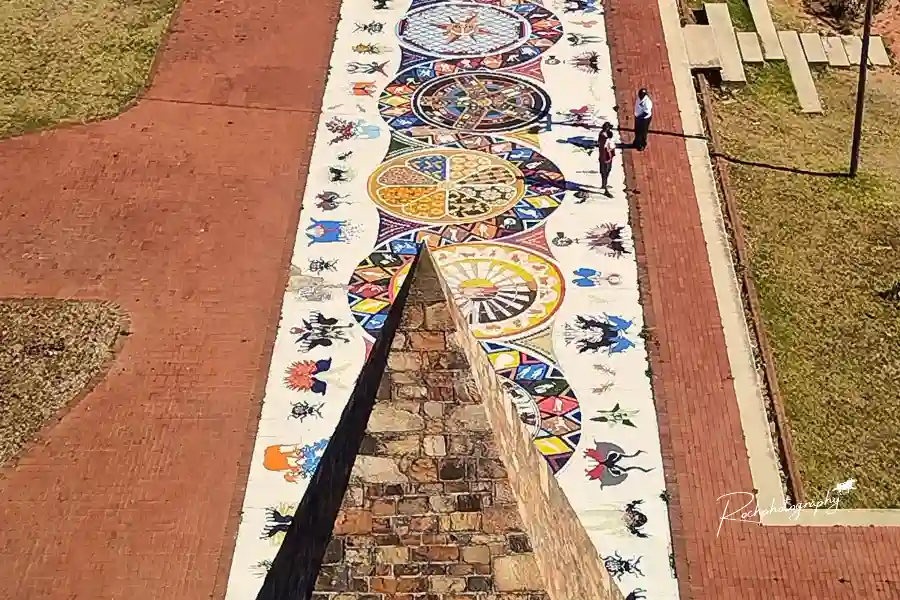
These are not merely landmarks to photograph. They are starting points for conversations about the people, events and decisions that shaped the place.
Culture can also be experienced away from the historic centre. Richmond Hill and Stanley Street are dining districts where visitors can linger over a meal or browse local restaurants and coffee shops. Community and township tours offer a chance to taste traditional food and drink, hear local music and meet residents who are willing to share their experiences and perspectives.
Further into the metropolitan area, Kariega and Despatch have their own histories and identities. Neither is simply an extension of Gqeberha, and the communities between them are no afterthought. They are part of what makes Nelson Mandela Bay a region rather than just a city.
This is where local knowledge matters. A guide can explain the significance of a monument, connect a street to a historical event or help visitors understand how the port, neighbourhoods, industries and surrounding landscape have influenced people’s lives. The value is not only in knowing what happened, but in understanding why it matters today.
Stay a Little Longer
Nelson Mandela Bay does not need to replace Addo or the Garden Route to justify a longer stay. It deserves to stand alongside them.
The coast is here. The wildlife, reserves, flowers, history, food, art and stories are here, too. They form a connected region that can fill several days, or simply make a short visit more meaningful.
There are encouraging signs that this thinking is gaining ground. On 29 October, The Herald reported that Airlink is set to launch direct flights between Gqeberha and Kruger Mpumalanga International Airport. This is a chance for visitors to stay longer in Gqeberha and discover, explore and remember more before flying on to Kruger. The report also quotes the metro’s spokesperson, who said the municipality wants Nelson Mandela Bay seen as a destination in its own right rather than a stopover.
So the ask is simple. Tourism bodies and operators should stop selling the Bay as the place where the plane lands before the real holiday begins, and start building itineraries around it. The rest of us matter too: our biggest brand ambassadors are our own people.
Show visiting friends and family what lies between the familiar landmarks.
If you are visiting, stay a little longer. Look a little closer.
Nelson Mandela Bay is more than a gateway. It is a destination.
Plan your time in the Bay
Building an Eastern Cape itinerary? Give Nelson Mandela Bay the time it deserves.
We are based in Gqeberha and arrange guided days, airport transfers and multi-day journeys across the Eastern Cape, the Garden Route and Cape Town. Tell us your dates and what interests you, and we will help you plan a journey that includes the Bay as a destination in its own right.
Arriving at Chief Dawid Stuurman International Airport? See our Transport & Transfers page.

About the author
Jaco Ras is a tourism professional and accredited guide, and co-founder of Blu-Pebbles Tours. He is a past president and vice-president of Skål International Nelson Mandela Bay. The views expressed in this article are his own.